
The Energy of Your Data: Information-Centric Security in the Energy Sector
In modern energy, whether it's generation, marketing, or distribution, data has become as critical an asset as energy resources themselves. In the context of market competition, digitalization and stricter regulatory requirements, information protection is moving from the IT sphere to the field of strategic risk and profit management. An information-centric security model is not an option, but a necessity for your leadership and resilience.
Why is traditional protection INSUFFICIENT and what are the risks of leaks?
A blow to Profitability and Competitiveness
- • Cost of generation/Procurement: Knowing your actual costs gives competitors in the wholesale market or large buyers a tool to put pressure on prices.
- • Selling prices and Individual discounts: Leaking the pricing strategy and special conditions to key industrial consumers or regional distributors negates your competitive advantage, allowing other players to intercept contracts.
- • Balance sheet and repair data: Leaked equipment withdrawal plans or generation/consumption forecasts can be used to manipulate the market to the detriment of your company.
The Enormous Risks of Personal Data Leakage
- • Millions of customers: Energosbyt processes huge amounts of personal data of individuals and legal entities (payments, addresses, meter readings).
- • Catastrophic fines: Violation of the requirements of 152-FZ (and analogues in other jurisdictions) entails fines of up to 3% of the company's annual turnover.
- • Irreversible reputational damage: The loss of public and business confidence due to the compromise of personal information leads to an outflow of customers and difficulties in development.
Threats to Critical Infrastructure (CI)
Network configuration data, control systems (SCADA/automated process control systems) are a target for cyber attacks capable of paralyzing energy supplies.
How Does The Information-Centric Model Address These Challenges?
DCSM focuses on protecting the data itself, not just the network perimeter. This is a key difference for an industry where information is constantly moving between automated process control systems, clouds, offices, and mobile employees:
-
Key Asset Protection: Encryption and granular access control ensure that only authorized persons have access to cost files, discount agreements, strategic plans or customer databases. Even with a leak, the data will remain unreadable.
-
Automation of Protection based on Importance: Classification of data (for example, "Trade Secret", "Personal Data", "Critical Infrastructure") allows you to automatically apply the maximum level of security to the most valuable and sensitive assets.
-
Information Movement Control: Preventing unauthorized transfer, copying, or printing of confidential data (price lists, customer databases).
-
Regulatory Compliance: DCSM provides tools for effective implementation of strict requirements for the protection of AI and personal data (152-FZ, FSTEC, FSB), reducing the risks of huge fines.
The introduction of an information-centric security model is a strategic investment in:
- Profit preservation (price and cost protection)
- Competitive advantage (preservation of trade secrets)
- Reputation and customer trust (reliable protection of personal data)
- Business continuity and national security (protection of critical infrastructure)
- Financial stability (avoiding multimillion-dollar fines and compensations)
In the energy industry of the future, the winner is the one who controls not only energy flows, but also data flows. Ensure the security of your information – ensure the future of your company.
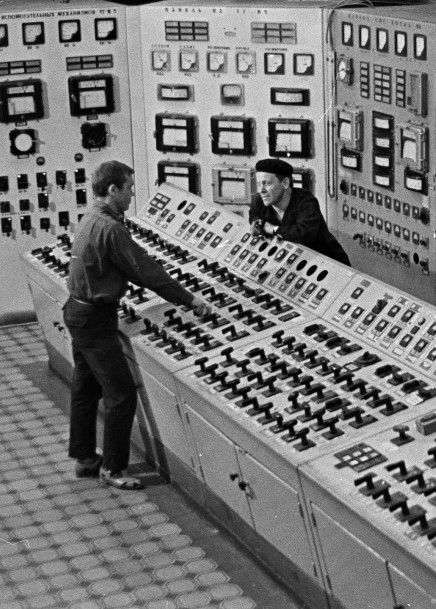
I. V. Kurchatov, Chief Scientific Director of the atomic project in the USSR